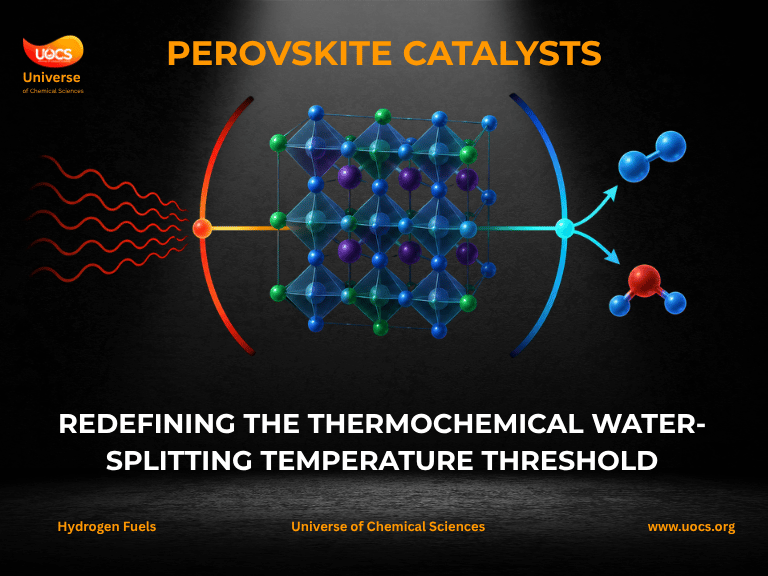
Introduction to Perovskite Solar
As the world accelerates toward a clean energy future, perovskite solar cells have emerged as one of the most exciting innovations in the renewable energy sector. These next-generation materials promise to revolutionize solar power with high efficiency, low production costs, and potential for flexible, lightweight designs—making them a strong contender to overtake traditional silicon solar panels.
In this blog post, we’ll dive deep into what makes perovskites so special, explore recent breakthroughs in perovskite stability, compare them with existing solar technologies, and examine how they are shaping the future of scalable solar energy solutions.
What is Perovskite Solar Cells?
Perovskite solar cells are a class of photovoltaic technologies based on materials that share the crystal structure of calcium titanium oxide (CaTiO₃), known as the perovskite structure. These materials are typically a hybrid of organic and inorganic compounds, offering an exceptional combination of properties ideal for solar energy conversion.

Key Advantages:
- High absorption efficiency (even in thin layers)
- Low-cost raw materials
- Solution-based manufacturing (enabling inkjet printing, roll-to-roll production)
- Lightweight and flexible applications.
These characteristics make perovskites a frontrunner in the quest for affordable solar energy for everything from rooftops to wearables.
High-Efficiency Solar Panels: The Numbers Don’t Lie
One of the most attractive features of perovskite solar cells is their record-breaking efficiency. While traditional silicon solar cells have plateaued around 26–27% efficiency, perovskite-based cells are catching up fast.
Recent lab tests show:
- Single-junction perovskite cells achieving 25.7%+ efficiency
- Tandem (perovskite + silicon) cells exceeding 33% efficiency, breaking the Shockley-Queisser limit of single-material systems.

These results highlight perovskites’ potential to surpass silicon in solar cell performance improvements, especially when used in tandem or multi-junction configurations.
Perovskite Stability Breakthroughs
Despite their promise, perovskite solar cells have historically suffered from stability issues due to sensitivity to moisture, oxygen, UV light, and heat. However, recent breakthroughs are quickly addressing these challenges.
Recent Innovations Include:
- Encapsulation technologies: Advanced barrier coatings that protect the material from moisture and degradation.
- All-inorganic perovskite formulations: More thermally and chemically stable.
- Additive engineering: Incorporating stabilizing agents to extend operational lifetimes.
- Interface engineering: Reducing ion migration and improving structural integrity.
Thanks to these developments, modern perovskite solar cells are showing lifetimes of 10–20 years, bringing them closer to commercial readiness.
Perovskite vs Silicon: Which Is Better?
When it comes to solar energy, both silicon and perovskite technologies offer unique advantages—and challenges. Here’s a side-by-side breakdown of how they compare:
🥇 Silicon Solar Panels
Pros:
✅ Mature Technology – Over 90% of the solar market uses silicon, backed by decades of research and real-world use.
✅ Proven Durability – Lasts 25+ years with minimal efficiency loss over time.
✅ Scalable Manufacturing – Efficient mass production and global supply chains already in place.
Cons:
⚠️ High Energy Input – Requires high-temperature processing, making production energy-intensive.
⚠️ Heavy and Rigid – Limits use in portable or flexible applications.
⚠️ Efficiency Plateau – Commercial efficiency is nearing its theoretical limit (~26–27%).
🥈 Perovskite Solar Cells
Pros:
✅ Lightweight and Flexible – Ideal for next-gen applications like wearable tech, building-integrated PV, and portable panels.
✅ Low-Cost Production – Can be made using low-temperature, solution-based processes.
✅ Tunable Bandgaps – Allows better absorption of sunlight, especially when paired with other materials.
Cons:
⚠️ Stability Concerns – Still sensitive to moisture, heat, and UV exposure; lifespan under real-world conditions is under development.
⚠️ Limited Field Data – Fewer long-term installations make real-world performance uncertain.
⚠️ Toxic Materials – Some formulations contain lead, raising environmental and regulatory concerns.

The Verdict:
Silicon solar panels are still the most trusted and widely used option for today’s solar installations. But perovskites are catching up fast, offering exciting possibilities for innovation.
The future may not be a competition, but a collaboration. Perovskite–silicon tandem solar panels combine the best of both: the stability and reliability of silicon with the high efficiency and flexibility of perovskites. With record efficiencies exceeding 30% in labs and growing commercial interest, tandems are shaping up to be the next big leap in solar technology.
Scalable Solar Technologies: From Lab to Market
The real challenge is turning lab-scale efficiency into real-world deployment. Fortunately, scalable manufacturing techniques for perovskite solar panels are rapidly maturing:
- Roll-to-roll printing
- Slot-die coating
- Spray-coating
- Inkjet printing.
These methods enable low-energy, high-throughput production, making perovskite solar cells ideal for large-scale deployment on rooftops, windows, drones, and even textiles.
Major players like Oxford PV, Tandem PV, and Saule Technologies are already scaling up production lines and testing commercial products, signaling that perovskites are on the brink of market entry.
Renewable Energy Innovations: A New Solar Revolution
Perovskite solar cells aren’t evolving in isolation—they’re part of a larger renewable energy innovation movement.
Their integration with emerging technologies can amplify their impact:
- Transparent solar windows for buildings
- Solar-powered wearables with flexible electronics
- Perovskite-coated drones for long-range flight
- Grid-tied hybrid systems for increased output and stability
Combined with storage technologies, AI-driven energy management, and decentralized energy grids, perovskite-based systems could redefine how we generate and consume energy globally.
Sustainability and Circularity
An often-overlooked aspect of perovskite solar technology is its potential alignment with green manufacturing principles:
- Lower embodied energy compared to silicon production
- Use of less material per watt
- Possibility for recyclable and non-toxic alternatives to lead-containing formulations
While toxicity concerns exist (especially around lead halide perovskites), research into lead-free perovskites and safe encapsulation continues to gain traction.
Conclusion: The Bright Future of Perovskite Solar Cells
Perovskite solar cells are more than a technological curiosity—they are a serious contender in the race toward high-efficiency, affordable, and scalable solar energy. With rapid progress in stability, performance, and manufacturing scalability, the gap between laboratory innovation and commercial reality is quickly closing.
Whether through standalone panels, tandem devices, or flexible solar films, perovskites are poised to power a new era of clean, accessible energy—supporting climate goals, reducing costs, and enabling innovative applications that silicon alone can’t fulfill.
The solar future is lighter, smarter, and brighter—and perovskite is at its core.
Read More on Liquid Hydrogen Storage Technologies….
Resources: